
Last Updated: October 28, 2026
Quick Summary
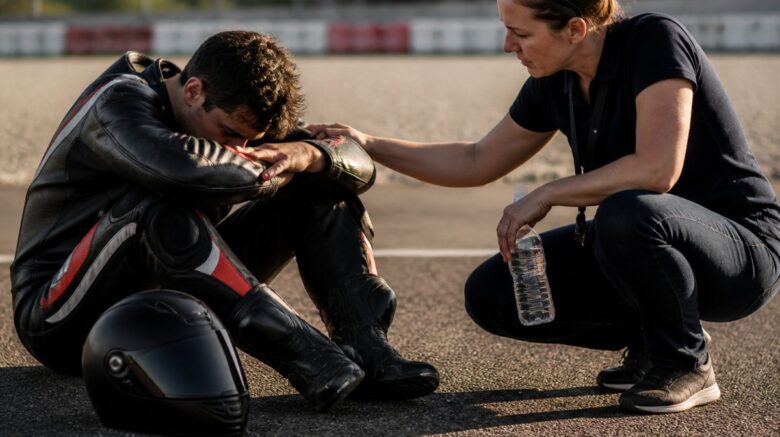
Nonprofit assistance for racing accidents in 2026 is financial and emotional aid given by a charitable organization to injured racers and their families after a crash, usually without any repayment obligation. Apply early by contacting the foundation, completing the request form, and gathering what you have, since perfect records are not required.
- IFRRF provides financial and emotional support to professional motorcycle racers and their families after serious or fatal accidents.
- Emergency assistance covers rent, food, transport, and family lodging during the first weeks after a crash.
- Most foundations pay providers directly or reimburse documented expenses rather than handing over loose cash.
- Confirm a group’s federal tax-exempt status through the IRS Tax Exempt Organization Search before trusting it.
- Never pay a fee to a company that promises to unlock nonprofit aid or expedite a charitable grant.
Table of Contents
- What Nonprofit Assistance Covers After a Racing Accident
- How to Apply for Racer Assistance Step by Step
- Racer Accident Medical Bill Assistance and What It Covers
- Support for Families of Injured Motorcycle Racers
- Motorcycle Racer Accident Fundraising: Running a Campaign That Works
- How to Verify a Nonprofit and Avoid Scams
- Coordinating Insurance, Workers’ Compensation, and Legal Aid
- Requesting Support from IFRRF
- Frequently Asked Questions
What Nonprofit Assistance Covers After a Racing Accident
Nonprofit assistance for racing accidents in 2026 fills the gap that insurance and savings often leave behind. A serious crash can end a racing career overnight and bury a family in bills at the same time. Nonprofit assistance is financial and emotional aid given by a charitable organization to injured racers and their families after a crash, usually without any repayment obligation.
IFRRF provides financial and emotional support to professional motorcycle racers and their families after serious or fatal accidents.
Types of Racing Accidents and Who Qualifies
Not every crash looks the same, and the support should match the injury. A high-side in a corner causes different damage than a multi-rider pileup at the start. Common categories include:
- Single-rider crashes from a lost front end or brake failure
- Multi-bike collisions during close pack racing
- Mechanical failures that throw a rider at speed
- Track incidents involving barriers or runoff areas
- Practice and qualifying crashes that happen before race day
Eligibility usually centers on three things: you are a licensed or registered racer, the injury came from a racing event, and you can show some proof of the accident. Documentation helps, but many foundations work with riders whose paperwork is incomplete. A common mistake is waiting until every bill is sorted before reaching out. Apply early and let the organization help you fill the gaps.
Emergency Assistance vs. Long-Term Recovery Support
Emergency assistance moves fast. It covers the first weeks: rent, food, transport to appointments, and a place for family to stay. Long-term recovery support moves slower and looks further ahead. It can include ongoing rehabilitation costs, home modifications, and income replacement while a rider cannot work.
The difference matters when you apply. Emergency funds often need less paperwork and turn around quicker. Long-term support usually asks for a fuller picture of your recovery plan. Many riders need both, and applying for one does not block you from the other.
How to Apply for Racer Assistance Step by Step
Applying for racer assistance is simpler than most riders expect. The key is to start the request, then let the foundation guide you through the rest. Here is the process we walk riders through at IFRRF.
- Contact the foundation and describe your accident and current needs
- Complete the request form with your basic details and injury information
- Gather what you have on the accident, medical care, and expenses
- Submit the request and confirm it was received
- Talk through your situation with a support coordinator
- Receive a decision and, if approved, get funds or direct bill payment
- Stay in touch for follow-up and long-term support
A common mistake is assuming you need perfect records. You do not. Bring what you have and be honest about what is missing. If you get stuck or have questions during the process, you can contact the foundation directly for help.
Here is the application process we walk riders through at IFRRF.
| Step | What to do |
|---|---|
| 1 | Contact the foundation and describe your accident and needs |
| 2 | Complete the request form with basic details and injury information |
| 3 | Gather what you have on the accident, medical care, and expenses |
| 4 | Submit the request and confirm it was received |
| 5 | Talk through your situation with a support coordinator |
| 6 | Receive a decision and, if approved, get funds or direct bill payment |
| 7 | Stay in touch for follow-up and long-term support |
Racer Accident Medical Bill Assistance and What It Covers
Racer accident medical bill assistance targets the costs that pile up fastest after a crash. Even with insurance, riders often face large out-of-pocket amounts for emergency care, surgery, and months of therapy. Nonprofit aid can help cover:
- Emergency room and trauma care not fully paid by insurance
- Surgery and hospitalization costs
- Physical and occupational therapy sessions
- Prescription and medical equipment needs
- Follow-up specialist visits during recovery
The goal is to keep a bad injury from turning into financial ruin. Most foundations pay providers directly or reimburse documented expenses rather than handing over loose cash. That protects both the rider and the donor. Ask upfront how funds are distributed so you know what to expect.
Support for Families of Injured Motorcycle Racers
Support for families of injured motorcycle racers matters as much as support for the rider. A crash hits the whole household.
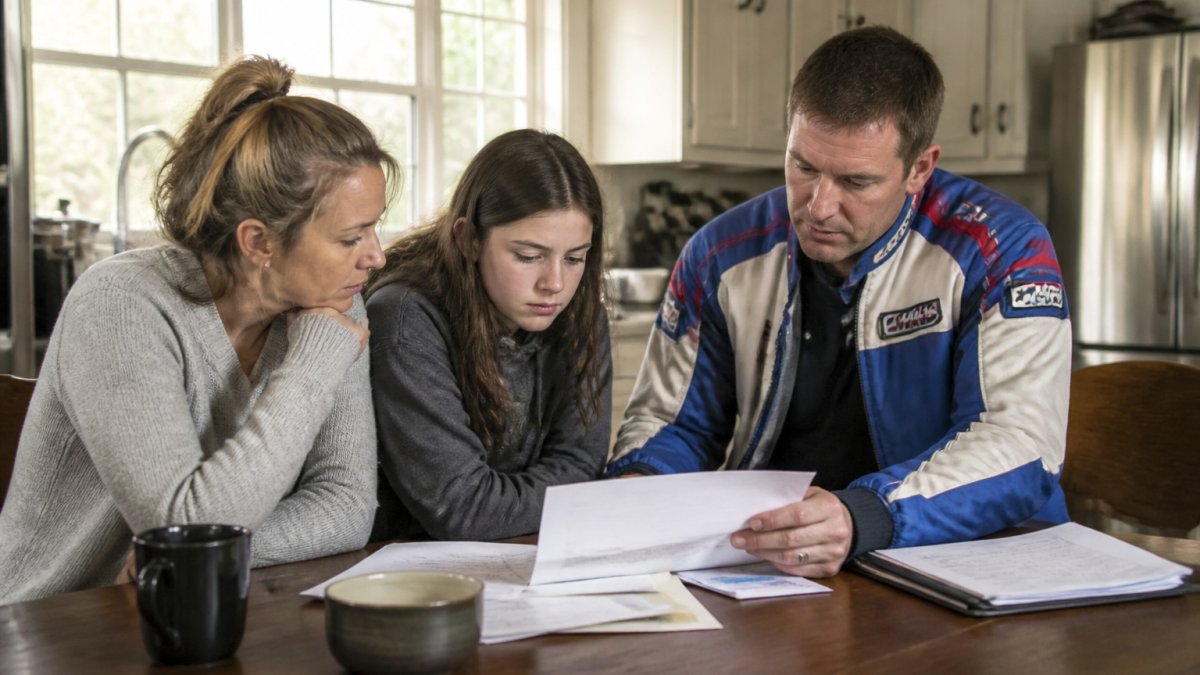
IFRRF is committed to providing support to professional motorcycle racers and their families following serious or fatal accidents. Readers can explore family support resources and how to access them.
Motorcycle Racer Accident Fundraising: Running a Campaign That Works
Motorcycle racer accident fundraising can fill gaps that aid programs cannot reach. A well-run campaign does three things: it tells a clear story, sets a realistic goal, and shows donors exactly where the money goes.
- Tell the real story with dates, the injury, and the recovery ahead
- Set a goal tied to actual costs, not a round number
- Post updates so donors see progress and stay engaged
- Name the campaign organizer clearly so people trust it
- Thank donors and show the amount raised against the goal
A common mistake is a vague campaign page with no photos and no updates. Donors give to people, not to paragraphs. Update the page weekly during the acute phase, then monthly during recovery. Transparency about how funds are used is what turns a one-time gift into community support.
How to Verify a Nonprofit and Avoid Scams
Scam prevention starts with verification, and verification starts with a few quick checks. Before you trust any organization with your information or a donation, confirm it is real and accountable.
- Check tax-exempt status through official records
- Look for a clear mission and named leadership
- Read the privacy and security policies on the site
- Confirm how funds are distributed and to whom
- Ask for membership or affiliation details that prove accountability
The IRS Tax Exempt Organization Search lets you confirm a group’s federal tax-exempt status in minutes. IFRRF holds 501(c)(3) status under federal tax guidelines, and you can review membership details to confirm the organization is real and accountable. It is also worth reading the Donor Bill of Rights so you know the ethical standards a legitimate charity should meet.
Coordinating Insurance, Workers’ Compensation, and Legal Aid
Insurance, workers’ compensation, and legal aid each cover a different piece of the puzzle. Nonprofit aid works best when it fills the gaps between them, not when it duplicates what another source already pays.
- Insurance handles covered medical care and may include accident benefits
- Workers’ compensation may apply if the injury happened during work-related racing duties
- Legal aid helps when a crash involves negligence or a disputed claim
The U.S. Department of Labor guide to workers’ compensation explains how state programs differ, since coverage rules vary by state. A common mistake is treating these sources as rivals. In practice, they stack. For broader consumer protection context, the Federal Trade Commission publishes guidance on charitable giving and avoiding fraud.
How Charitable Aid Interacts with Insurance and Benefits
Most foundations structure aid so it does not duplicate a payment another source has already made. A common approach is to ask for an explanation-of-benefits statement or a denial letter before paying a medical bill. That way the charity covers the unpaid balance rather than the portion your insurer already reimbursed.
A few practical patterns are worth knowing:
- Direct provider payment, the foundation pays the hospital or clinic directly, which reduces the risk of double payment and keeps records clean
- Reimbursement, you pay first and submit receipts, so keep every itemized bill and proof of payment
- Gap-filling grants, funds are released only after insurance or workers’ compensation has issued a determination
- Income replacement, some programs help with rent and utilities while a disability claim is pending, then adjust once benefits begin
Ask the coordinator which model applies before you submit expenses. Mixing models can slow a request down.
Workers’ Compensation: When It May Apply
Workers’ compensation is a state-based system, and coverage for racers depends on whether the activity counts as employment. Because rules vary by state, confirm with your state workers’ compensation agency or a licensed attorney rather than assuming.
Legal Aid and Settlements
Legal aid organizations and contingency-fee attorneys can help when a crash involves another party’s negligence, a defective part, or a disputed insurance denial. Legal aid nonprofits generally serve low-income clients, while personal injury attorneys often work on contingency, meaning they are paid from a settlement rather than upfront.
A Simple Document Workflow
To keep every source aligned, maintain one master file and share copies, not originals:
- Create a single expense log with date, provider, amount billed, amount paid by insurance, and amount remaining
- Save every determination letter, approvals, denials, and appeals, from insurers and workers’ compensation
- Keep a contact log of who you spoke with at each organization, the date, and what was promised
- Send the same packet to each source so no one sees a different version of the facts
- Update the foundation when a benefit is approved or denied so aid can be adjusted
Never pay a fee to a company that promises to “unlock” nonprofit aid or expedite a charitable grant. Legitimate foundations do not charge applicants to review a request.
Where Nonprofit Aid Fits
Nonprofit aid is not a substitute for insurance, workers’ compensation, or legal representation.
Requesting Support from IFRRF
We are a 501(c)(3) nonprofit committed to helping professional motorcycle racers and their families after serious or fatal accidents, and our community includes more than 2,000 people.
Frequently Asked Questions
What financial help is available to injured motorcycle racers?
Injured racers can typically find help through three channels: nonprofit assistance from rider-focused foundations, personal fundraising campaigns, and insurance or workers’ compensation claims.
How can I apply for nonprofit assistance after a racing accident, and what documents should I include?
Most racer assistance nonprofits ask for a short application describing the accident and your needs, plus supporting documents. Common requirements include the accident or police report, hospital and rehabilitation records, itemized medical bills, proof of income or lost wages, and identification. Some also request a letter from your team or sanctioning body confirming your racing status. Keep copies of everything you submit. If your paperwork is incomplete, contact the organization before applying, since many will work with applicants whose records are still being assembled.
Does nonprofit assistance cover medical bills or living expenses?
It can cover both, depending on the organization. Racer-focused nonprofits commonly direct funds toward medical bills, rehabilitation, prosthetics, travel to treatment, and short-term living costs while a rider cannot work. Some restrict grants to specific categories, while others let the recipient decide which bills to pay. Ask each organization how funds are distributed and whether any reporting is required afterward. Assistance is generally a grant, not a loan, so there is usually no repayment obligation.
Can a nonprofit help a racer’s family after a fatal accident?
Yes. Several rider-focused nonprofits provide support to families after a fatal racing accident, including help with funeral and memorial costs, counseling, and short-term financial aid. Family members can usually apply on the racer’s behalf. Expect to provide documentation such as the death certificate, proof of relationship, and outstanding expenses. Because availability varies, contact more than one organization and ask specifically about survivor support and how quickly funds can be released.
A racing injury can upend everything in a single afternoon, and no rider should have to rebuild alone. IFRRF offers financial assistance after serious accidents, emotional support for racers and their families, and hands-on help rebuilding lives after painful crashes, all backed by our 501(c)(3) status. Get started with IFRRF and take the first step toward the support your recovery deserves.
