
Table of Contents
- Why Old Racing Injuries Still Deserve Care
- Financial Assistance for Injured Motorcycle Racers
- Motorcycle Racing Injury Grants: Who Qualifies and How to Apply
- Documents Needed for an Injury Assistance Application
- Help With Medical Bills After a Motorcycle Racing Accident
- What to Expect at a Veterinary Assessment for Old Racing Injuries
- Conclusion: You Don’t Have to Face Old Racing Injuries Alone
- Frequently Asked Questions
Last Updated: October 5, 2026
Why Old Racing Injuries Still Deserve Care
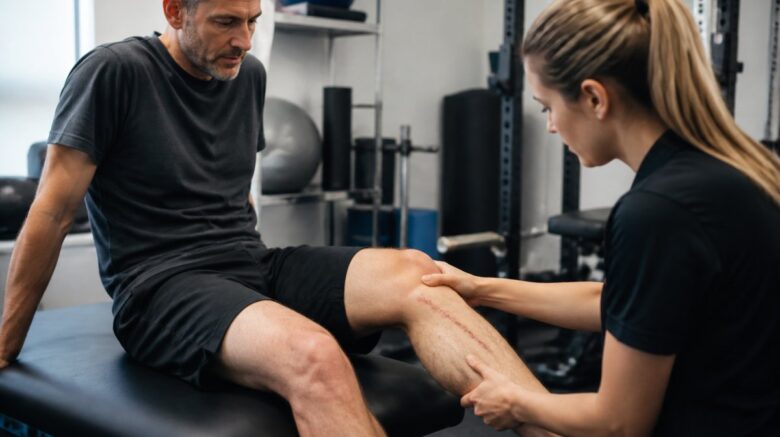
If you are asking “can I get help for old racing injuries,” the answer is yes. Old racing injuries are past crash wounds or chronic damage that still cause pain, stiffness, or loss of function long after the race ended.
Racing injuries do not follow a neat timeline. A broken leg from a crash five years ago can turn into osteoarthritis. A back injury can flare up without warning. The body keeps a record, even when the paperwork is gone.
That is why old injuries matter. They affect how you walk, sleep, work, and ride. They also affect your family. The CDC guidance on chronic pain management notes that ongoing pain often goes untreated when people assume it is just part of getting older or part of the sport.
It is not. And you are not alone in this.
How to Recognize an Old Injury That’s Causing Current Pain
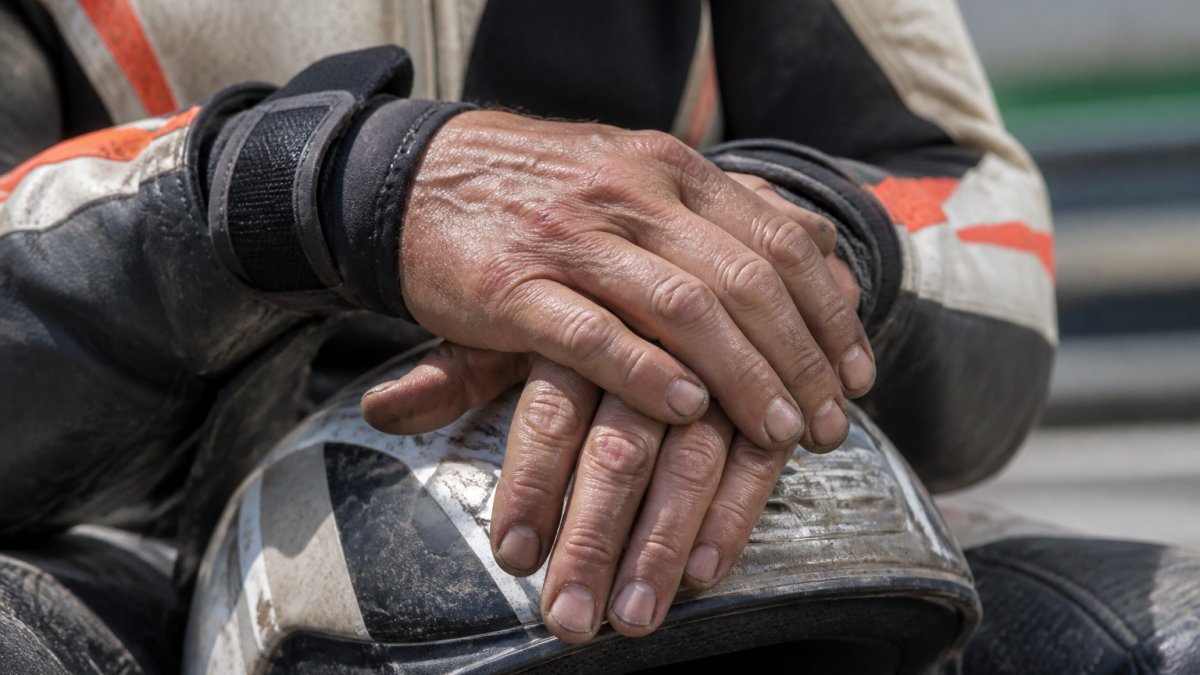
Old injuries rarely announce themselves. They show up as small changes you brush off.
Watch for these signs:
- A joint that aches before rain or cold weather
- Stiffness in the morning that fades after an hour
- Weakness in a limb you once trusted
- Pain that wakes you at night
- Swelling that comes and goes
- Trouble gripping, standing, or climbing stairs
A common mistake is blaming age. If a specific joint or muscle hurts more than the rest of your body, that is a clue. It points to an old injury, not general aging.
Track your symptoms for two weeks. Note when pain starts, what makes it worse, and how long it lasts. Bring that log to a doctor. It helps more than memory alone.
Take photos of any visible swelling or bruising on bad days. Doctors rarely see you at your worst, and photos give them real evidence to work with.
Financial Assistance for Injured Motorcycle Racers
Financial assistance for injured motorcycle racers exists, but most riders do not know where to look. That gap is exactly why IFRRF was founded.
Medical bills pile up fast after a racing accident. Even a “minor” crash can mean surgery, therapy, and months off the bike. Many riders lose income during recovery. Some lose sponsors. Others face years of follow-up care that insurance does not fully cover.
Here is what financial support can typically help with:
- Hospital and surgery bills
- Physical therapy and rehab
- Prosthetics and mobility equipment
- Travel to specialist appointments
- Rent, utilities, and groceries during recovery
- Mental health counseling
The U.S. Department of Health and Human Services resources on medical bill assistance points to programs that help people facing overwhelming medical costs. Racing-specific funds fill the gaps those programs miss.
IFRRF provides direct financial and emotional support to professional racers and their families. We do not treat you like a case number. We treat you like a fellow rider.
You do not have to be freshly injured to qualify for help. Old racing injuries still deserve care, and many programs accept applications years after the accident.
Motorcycle Racing Injury Grants: Who Qualifies and How to Apply
Motorcycle racing injury grants are funds given to injured racers and their families, usually without any requirement to pay them back. The key word is “grant.” You are not taking a loan.
Qualification usually depends on a few factors:
- You raced professionally or semi-professionally
- Your injury happened during a race, practice, or racing-related event
- The injury caused lasting impact on your health or income
- You can show some proof of the accident and treatment
You do not need perfect paperwork. You do not need a lawyer. You do not need to be recently injured. If your situation is complicated, say so on the application. Most review teams would rather hear the full story than see a blank form.
| Step | What to Do | Why It Matters |
|---|---|---|
| 1 | Contact the fund directly | Confirms eligibility before you gather paperwork |
| 2 | Gather medical records | Shows the injury and treatment history |
| 3 | Write a short personal statement | Explains how the injury changed your life |
| 4 | Submit and follow up | Keeps your application moving |
Do not wait until you have every document before reaching out. Most funds can start a file with partial records and help you fill the gaps.
Documents Needed for an Injury Assistance Application
The documents needed for an injury assistance application are usually simpler than riders expect. Most funds ask for the same core set.
- Photo ID
- Proof of racing history, such as a license, event records, or team letter
- Medical records from the accident and any follow-up care
- A brief statement describing how the injury affects you now
- Proof of income loss, if applicable
- Contact information for a doctor or clinic
If you are missing items, do not panic. Start the application anyway. Many review teams will work with you to fill in gaps. A messy file is better than no file.
The Social Security Administration’s guide to disability benefits can also help if your injury limits your ability to work. Racing grants often pair well with these programs.
Help With Medical Bills After a Motorcycle Racing Accident
Help with medical bills after a motorcycle racing accident can come from several places at once. Most riders use a mix of sources.
Start with your insurance. Then look at hospital charity care programs. Many hospitals offer reduced or free care for patients who qualify. Ask the billing office directly. They rarely advertise it.
Next, look at racing-specific funds. These are built for riders and understand the sport. They know a crash injury is not the same as a car accident injury.
Then consider these options:
- Payment plans through the hospital
- State and federal assistance programs
- Nonprofit grants for injured athletes
- Fundraisers through your racing community
IFRRF exists to help with this exact problem. We connect riders with financial aid and emotional support. Our community includes over 2,000 people who understand what you are going through. We are a 501(c)(3) nonprofit, so donations to us are tax-deductible under federal guidelines.
What to Expect at a Veterinary Assessment for Old Racing Injuries
A veterinary assessment for old racing injuries is a full exam that looks at how an animal moves, where it hurts, and what can still be done to help. Vets use these exams for retired greyhounds and racehorses with old injuries, and the process is more structured than a routine wellness visit.
Before the Appointment
A short video of the animal walking and trotting on a leash, filmed from the side and from behind, is often more useful than a description. Many practices will review it before the visit.
What Happens During the Exam
Common findings include osteoarthritis, old fractures that healed poorly, and soft-tissue damage that never fully recovered. Some animals also show signs of back injury or joint pain from years of racing. In greyhounds, toe, hock, and wrist injuries are frequently seen; in racehorses, the fetlock, knee, and suspensory apparatus are common trouble spots.
Imaging and What Each Option Tells You
Each step costs more and takes longer than the last, so vets usually start simple and escalate only when the answer would change the treatment plan.
Treatment Options and Trade-offs
The American Veterinary Medical Association’s pet owner resources offers guidance on finding a vet and understanding treatment options. Costs vary widely by region and by procedure, so ask for a written estimate before treatment starts, and ask whether a payment plan is available.
Questions Worth Asking
If you adopted a retired greyhound or a former racehorse, tell your vet everything you know. Even small details about racing history help.
An old racing injury in a retired animal is rarely a single problem. Expect the vet to find more than one issue, and expect the plan to address the whole animal rather than one joint.
Conclusion: You Don’t Have to Face Old Racing Injuries Alone
Old racing injuries can feel like a private burden, especially years after the crash. They are not. Help exists, and it is not too late to ask for it.
IFRRF is here for professional motorcycle racers and their families. We offer financial assistance after serious accidents, emotional support during recovery, and a community of over 2,000 riders who understand the sport. As a 501(c)(3) nonprofit, we are built to help, not to profit.
Get started with IFRRF and take the first step toward real support for your old racing injuries.
Frequently Asked Questions
Can I get financial help for an old motorcycle racing injury?
Yes, many organizations provide financial assistance for injured motorcycle racers regardless of when the injury occurred. Nonprofits like IFRRF understand that recovery is a long-term process, and support is often available for past injuries. You may need to provide documentation of the original injury and current medical needs. It’s never too late to seek help, so reach out to a foundation that supports racers to discuss your specific situation.
What records should I gather when applying for injury assistance?
Gather as much documentation as possible: medical records from the original injury, recent treatment notes, hospital bills, proof of racing history (such as a competition license or event records), and any insurance correspondence. If your records are incomplete, don’t worry. Many organizations, including IFRRF, can work with you to fill in the gaps. Contact the foundation directly to ask what they specifically require.
Can a nonprofit help with medical or recovery expenses after a racing accident?
Absolutely. Nonprofits like IFRRF are dedicated to helping racers and their families manage the financial burden of recovery. This can include assistance with medical bills, rehabilitation costs, and even everyday living expenses during treatment. The application process is designed to be supportive, not overwhelming. Visit the IFRRF website to learn more about how to apply for motorcycle racing injury grants and other support.
Is it too late to apply for support if my injury happened years ago?
No, it’s not too late. Many racers live with the long-term effects of old injuries, and organizations understand that ongoing pain or disability can require support at any time. Whether your injury happened two years ago or twenty, you can still apply for financial assistance and other resources. The key is to reach out and explain your situation. IFRRF and similar groups are committed to helping riders at every stage of recovery.